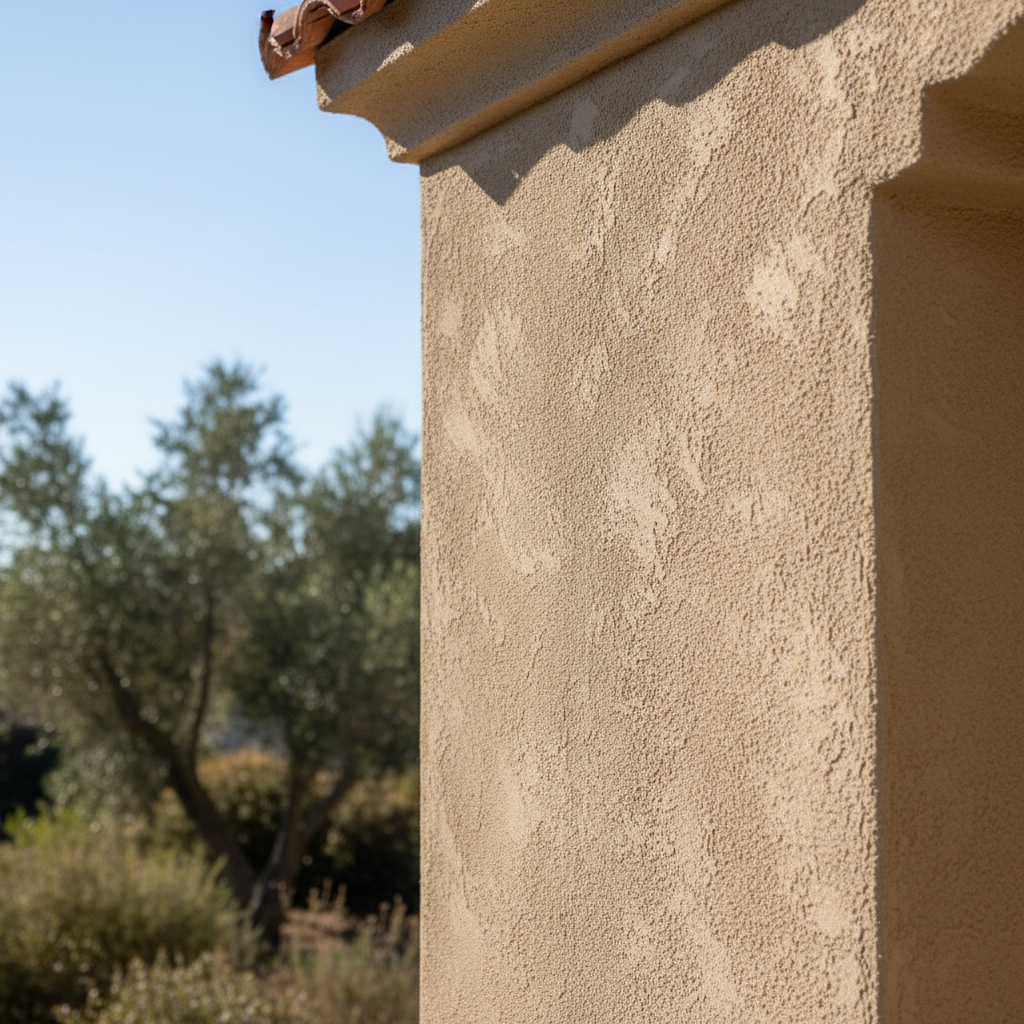
Alright, let's talk stucco. If you live in Cupertino, chances are your house has it, and you're probably keen on keeping it looking sharp and doing its job. That's smart thinking, by the way. Stucco is tough, no doubt, but it's not indestructible, especially with our area's quirky weather — those hot, dry summers followed by our sometimes-heavy winter rains. These temperature swings make things expand and contract, so you really need to keep an eye on your stucco.
Before You Call Anyone: Your Own Quick Look-Around
Before you even think about picking up the phone, you can actually do a lot of the initial checking yourself. Think of it like a regular health check-up for your house. You should probably do this at least once a year, maybe twice — spring and fall are usually good times for it.
- Walk Around and Really Look: Get right up close to your stucco. What do you see that seems off? We're talking cracks, weird colors, or any odd bulges. Give extra attention to the spots around windows, doors, and where the stucco meets the roofline. These are often the first places problems pop up.
- Cracks: You'll likely spot some tiny, hairline cracks. Stucco is pretty rigid, and houses settle, materials move with the weather, so a little cracking is normal. If they're small, say less than an eighth of an inch wide, and not getting bigger, they might just be cosmetic. But if you see a whole network of cracks, or ones wider than that — especially diagonal ones shooting out from window and door corners — that's a big warning sign. It could mean structural movement or even foundation issues.
- Stains and Discoloration: Dark streaks, water stains, or areas that just look like a different color often tell you water is getting in. Look for these under windowsills, at the bottom of walls, and around anything attached to the house like light fixtures or hose bibs. If you see a white, powdery residue, that's called efflorescence, and it also points to moisture problems.
- Soft Spots or Bulges: Give the stucco a good, firm press, especially in those discolored areas. Healthy stucco should feel hard, like a rock. If it feels soft, squishy, or crumbles when you push on it, you've probably got moisture damage hiding behind there. And bulging stucco? That usually means the layers aren't sticking together anymore, often because of trapped water.
- Check Your Flashing and Sealants: Flashing is super important; it's what directs water away from your house. Look for any gaps or places where the stucco has pulled away from other materials like trim, windows, doors, or your roof. The sealants around openings can wear out over time, so check those too.
- Drainage: This one's a big deal. Make sure your gutters and downspouts are clear and actually sending water far away from your foundation. Water pooling near the base of your house is just asking for stucco trouble, especially with the clay soils we have in so many parts of Cupertino.
When It's Time to Call a Pro for a Stucco Inspection
Your own visual check is a great first step, but it can only show you so much. If you notice any of those red flags I just mentioned — especially wider cracks, soft spots, really noticeable staining, or bulging — it’s definitely time to bring in the experts. Don't try to ignore these things. Water getting inside can cause serious headaches like wood rot, mold, and even weaken your home's structure.
A professional stucco inspection goes way beyond just looking. Here’s what we, at Aim High Stucco & Plastering, or any good stucco inspector, will typically do:
- A Closer Visual Look: We'll do everything you did, but with a trained eye. We know exactly what to look for and where.
- Moisture Testing: This is the really important part. We use special tools, often called moisture meters. There are different kinds, but the most accurate way involves drilling small, carefully placed holes (usually between 3/16” and 1” apart) into the stucco and the wood sheathing underneath to directly measure moisture levels. We seal these holes up afterward with caulk that matches your stucco color, so they're barely noticeable. This tells us if water is trapped behind the stucco, something you just can't see from the outside. If readings are above 19%, that's generally considered higher than normal.
- Thermal Imaging (Sometimes): Infrared cameras can show us temperature differences on the stucco surface, which *might* hint at moisture. But honestly, thermal imaging alone isn't a definitive answer. It's best used to help us figure out where we should do more invasive probe testing.
- Structural Integrity Check: We'll see if any damage suggests deeper problems with your home's structure.
- Report and Recommendations: You'll get a detailed report outlining everything we found, including where water might be getting in, any construction issues, and what maintenance you need to do. We'll give you clear advice on what needs fixing and why.
After the Inspection: What Happens Next?
Once you have that professional report, you've got a clear plan. If there are problems, you'll need to decide on repairs. For those minor hairline cracks that are truly just cosmetic, you might be able to tackle them yourself with some stucco patching compound and a bit of careful work. But for anything more serious — especially if moisture is involved or cracks are significant — you really need professional help.
Trying to DIY major stucco repairs can actually lead to bigger, more expensive headaches down the road. Matching textures and colors, making sure it's properly waterproofed, and fixing the underlying issues takes real expertise. We've seen it all, and trust me, it's always better to get it done right the first time. Professionals have the right tools, materials, and experience to make sure the fix lasts.
Even if the inspection comes back clean, keep up with your regular visual checks and maintenance. Give your stucco a gentle cleaning with a garden hose and mild detergent a couple of times a year. Just avoid high-pressure washing, okay? It can damage the surface and push water into cracks. And always make sure those sealants around your windows and doors are in good shape. It's all about being proactive to protect your home's exterior.