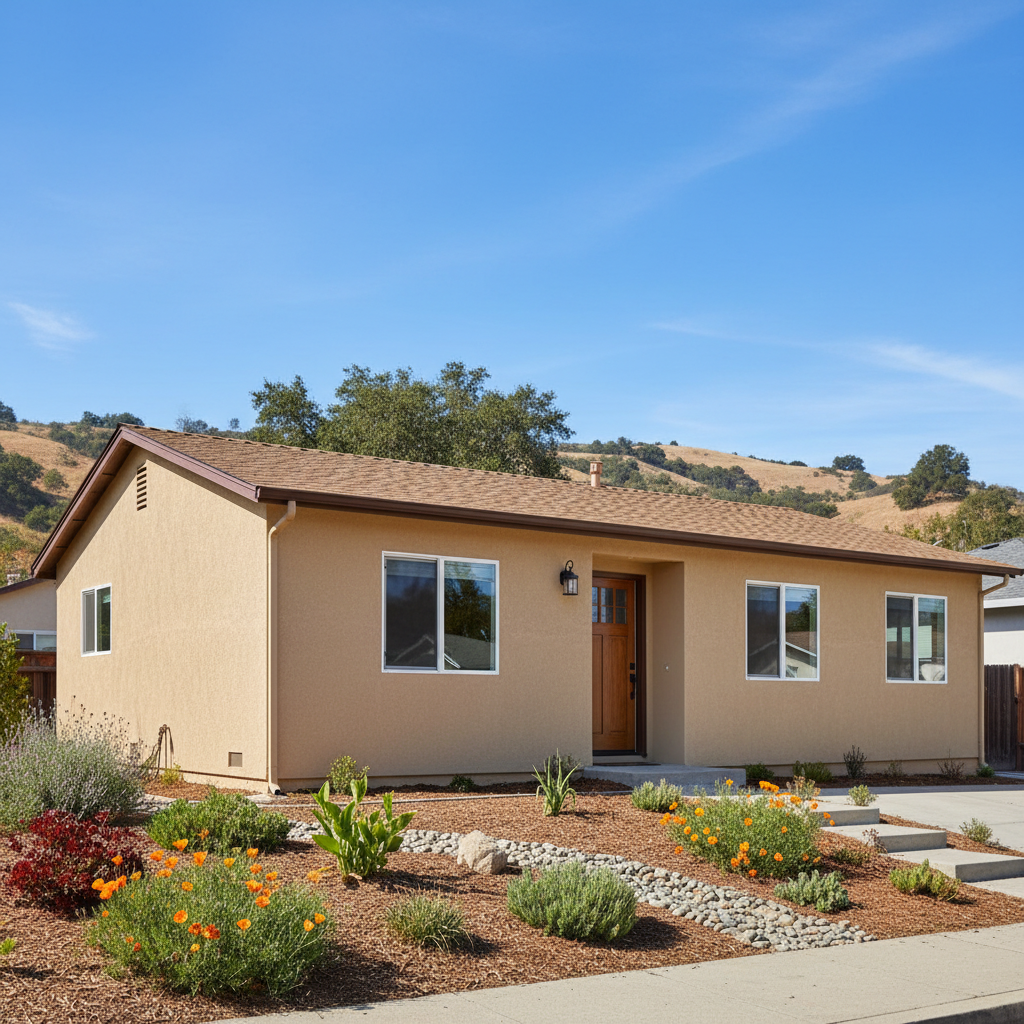
So, you're thinking about EIFS – that's Exterior Insulation and Finish Systems – for your place right here in Cupertino. Good call. It's fantastic for saving energy and gives your building a really clean, modern vibe. But let's be honest, the first thing everyone wonders is, "What's this going to cost me?"
You can forget those vague online estimates. I've been doing this for decades, and I've seen it all, from tiny repairs to massive commercial EIFS projects. Here's the real scoop on EIFS installation costs in our area: what drives the price, and how to make sure you're getting a fair deal.
What Makes EIFS Installation Costs Go Up or Down?
It's never just a simple square footage calculation. A whole bunch of things factor into the final price. If someone gives you a number without asking a ton of questions, seriously, just walk away. They're guessing, and you definitely don't want to pay for a guess.
- Project Size and How Complicated It Is: This is the big one, obviously. A small accent wall will cost way less than re-siding an entire two-story house. But it's not just about square footage; think about how many corners, windows, doors, and other architectural bits there are. Every single cut, every angle, every transition takes more time and skill. A plain, flat wall is always cheaper per square foot than one with lots of bump-outs and intricate trim work.
- The Type of EIFS System: There isn't just one kind of EIFS. Some are pretty basic, while others offer better impact resistance or drainage. A standard Class PB system (that's polymer-based) usually costs less than a Class PM (polymer-modified) system, which uses a cement-based finish coat and is often tougher. Drainage EIFS, which has a built-in way to get rid of incidental moisture, is a bit more complex to put in, so it'll cost more.
- Insulation Thickness: EIFS is all about insulation, right? The thicker the insulation board (made of EPS foam), the better your R-value will be. But, of course, that also means higher material costs. Most projects use 1 to 2 inches, but you can go thicker if you're really pushing for maximum energy savings.
- Finish Texture and Color: A smooth, fine texture is generally the easiest to apply. Coarser, more elaborate textures or specialty finishes (like ones that mimic brick or stone) need more material and more skilled hands to get right, which pushes the price up. Even custom colors can add a small premium.
- How Easy It Is to Access the Area: Is it a flat, open wall on the ground floor? Or are we talking about a multi-story building with tricky access, meaning we'll need lots of scaffolding or lifts? Scaffolding rental and setup can really add a significant chunk to the labor costs, especially on those taller homes you see in places like the Monta Vista foothills.
- Condition of the Existing Surface: What are we actually putting the EIFS onto? If the existing sheathing is damaged, rotted, or not up to code, we'll have to fix or replace it first. That adds time and materials, and it's something we always check during our first visit.
- Local Labor Rates: Labor isn't cheap here in Cupertino, and for good reason. You're paying for experienced, skilled installers who truly know their craft. Trying to cut corners on labor usually means cutting corners on quality, and trust me, that's something you'll regret later.
Typical EIFS Cost Ranges in Cupertino
Alright, let's talk some actual numbers. Remember, these are just ranges, and your specific project might fall outside them depending on all those factors I just ran through. These prices generally cover materials, labor, and basic site prep and cleanup.
- Basic EIFS (Class PB, 1-2 inch insulation, simple texture): You're usually looking at about $12 to $18 per square foot. This is for pretty straightforward jobs with easy access.
- Mid-Range EIFS (Drainage EIFS, 2-3 inch insulation, moderately complex): This will typically run you $18 to $25 per square foot. It's a popular choice for homeowners who want good performance and a bit more reassurance about moisture.
- High-End/Complex EIFS (Thicker insulation, intricate architectural details, specialty finishes, tough access): For these kinds of projects, expect to pay $25 to $35+ per square foot. Commercial buildings or custom homes with lots of curves, columns, or really high walls often fit into this category.
So, for a 1,500 square foot exterior, your total could be anywhere from $18,000 to over $50,000. That's a pretty wide range, I know, but it really highlights why a detailed quote is so important.
What Should You See in Your EIFS Quote?
When you get a quote from Aim High Stucco & Plastering, or any decent contractor, it should be thorough. Don't accept some one-page estimate with just a grand total. Here's what you should expect to see:
- Detailed Scope of Work: Exactly which areas will be covered? What type of EIFS system? How thick will the insulation be? What finish texture and color?
- Material Breakdown: A list of the main materials – insulation boards, base coat, mesh, primer, finish coat, sealant, trims, flashing.
- Labor Costs: This might be broken out or included in the per-square-foot price, but it should be clear that it's covered.
- Site Preparation: What needs to happen before work starts? Pressure washing, minor fixes to the existing surface, masking windows/doors, protecting your landscaping.
- Scaffolding/Equipment Rental: If needed, this should be itemized.
- Waste Removal: How will debris be handled and taken away?
- Permits and Inspections: Who is responsible for pulling the necessary permits (and paying for them) here in Cupertino? This is absolutely crucial.
- Warranty Information: What kind of warranty do they offer on both materials and the work itself?
- Payment Schedule: Clear milestones for when payments are due. Never pay the full amount upfront, by the way.
How to Avoid Paying Too Much for EIFS
No one wants to get ripped off, right? Here's how you can protect your wallet and still end up with a quality job:
- Get Multiple Quotes: This is basic stuff, but it's essential. Get at least three detailed quotes from different contractors. It helps you compare apples to apples and get a feel for the going rate.
- Check References and Reviews: Don't just take their word for it. Call past clients, go look at their work, check online reviews.
- Verify Licenses and Insurance: Make sure they're properly licensed and insured for work in California. This protects you if something goes wrong – and who wants that?
- Understand the Details: Ask questions. If something in the quote isn't clear, make them explain it. A good contractor will be happy to teach you a bit.
- Don't Automatically Pick the Lowest Bid: The cheapest option often means corners are being cut somewhere – maybe materials, maybe labor, maybe experience. EIFS is an investment; you want it done right.
- Beware of High-Pressure Sales: If they're pushing you to sign today or offering a "limited-time discount," be cautious. Quality work takes time to plan and execute.
- Get Everything in Writing: Every single detail, every agreement, every change order. If it's not on paper, it basically doesn't exist.
Installing EIFS is a big project, no doubt, but when it's done correctly, it really does add value, makes your home more energy-efficient, and looks fantastic. Do your homework, ask the right questions, and pick a contractor who gives you clear answers and a solid plan. That's how you get a fair price for a job you'll be happy with for years.