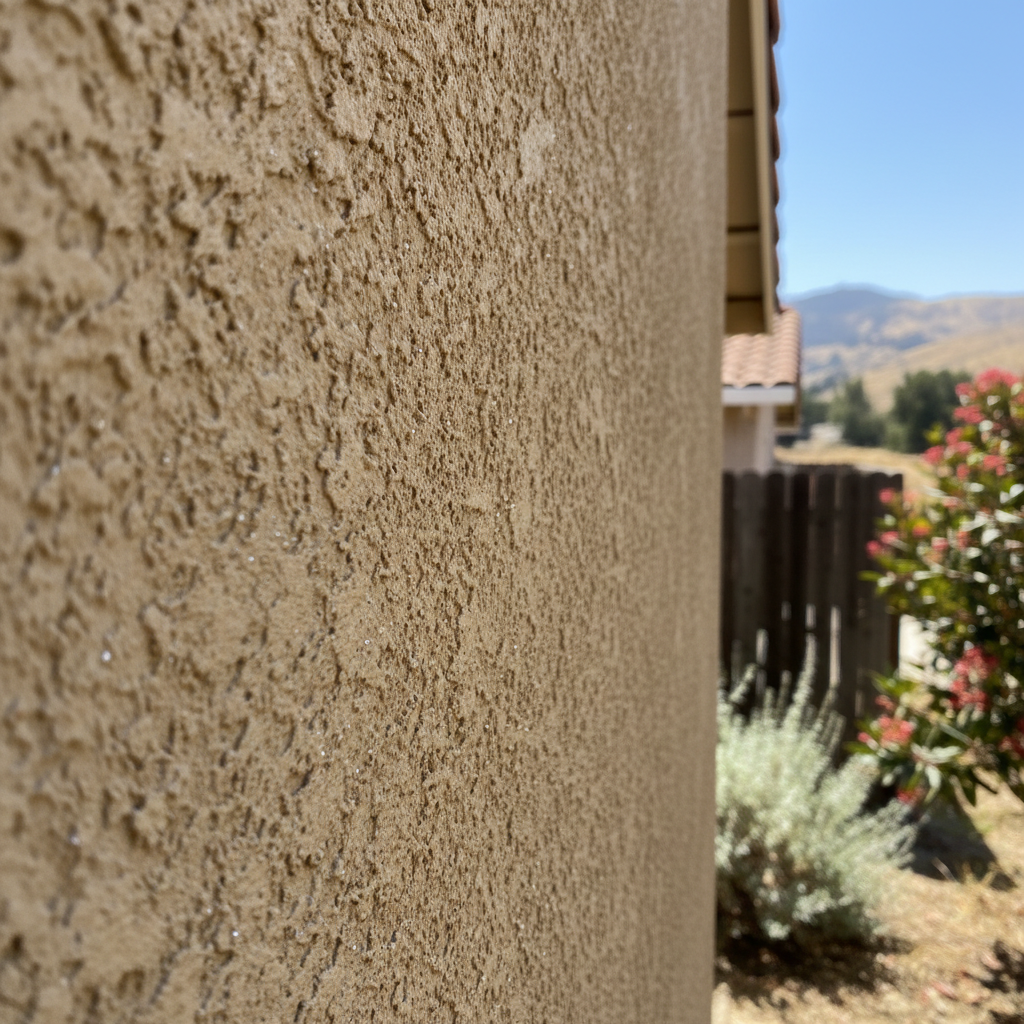
Think your stucco is fine? Maybe, maybe not. Honestly, a lot of folks here in Cupertino don't give their stucco a second thought until there's a real problem. That's a mistake, plain and simple. Regular inspections, even just quick ones you can do yourself, can save you a ton of headaches and a whole lot of money down the road. Stucco's tough, sure, but it's not invincible, especially with our wet winters and those hot, dry summers we get.
Before You Start Looking
First off, let's remember what stucco is actually supposed to do: protect your home from the elements and look good doing it. It's a durable, breathable cladding, but it absolutely needs some maintenance. Before you even step outside, grab a notepad and a pen. You'll want to jot down anything that looks a little off. Also, take a moment to think about your home's history. Has it ever had issues with water getting in? When was the stucco last painted or repaired? Knowing this stuff really helps you know what to zero in on.
You'll also want to make sure you've got good lighting. A bright, sunny day is perfect for spotting those subtle cracks or any discoloration. If you're planning to get up close and personal, a sturdy ladder is a must. Safety first, always, right?
What You Can Check Yourself (The DIY Walk-Around)
You don't need to be a stucco expert to spot the obvious stuff. Here's what I always tell homeowners to look for during their own visual inspection:
- Cracks: Not every crack is a bad sign. Hairline cracks are pretty normal, just part of stucco's natural expansion and contraction. But if you see cracks that are wider than a credit card, or if they're spreading out like a spiderweb, or running perfectly straight horizontally or vertically, that's a big red flag. Pay extra attention around windows, doors, and where different materials meet.
- Discoloration or Staining: Dark streaks, especially under windows, near the roofline, or at the base of your walls, often mean water is getting in and running down. Green or black spots? That could be mold or mildew, which definitely means moisture is hanging around.
- Bulges or Soft Spots: Gently press on the stucco in different areas. Does it feel soft or spongy? Do you see any parts bulging out? This is a serious warning sign of water damage behind the stucco, potentially rotting the sheathing underneath.
- Flaking or Peeling Paint: If your stucco is painted, and the paint is flaking off, it might be a sign of moisture pushing through from behind.
- Sealants and Flashing: Take a good look at the caulk around your windows and doors. Is it cracked, dried out, or even missing? This is a super common entry point for water. Check your flashing too — those are the metal or plastic strips designed to direct water away from vulnerable spots, like where your roof meets a wall or above windows. Make sure it's intact and installed correctly.
- Ground Clearance: Your stucco should ideally be at least 6-8 inches above the soil. If soil, mulch, or landscaping is piled up against the stucco, it creates a bridge for moisture and pests. This is a big problem I see in older Cupertino homes, especially in areas like Monta Vista where older homes often have landscaping right up against the foundation.
When to Call in a Pro (Don't Guess, Get an Expert)
So, you've done your walk-around, and maybe you found some things that concern you, or perhaps you just want a professional opinion. That's exactly when you call someone like us at Aim High Stucco & Plastering. Here's why a professional inspection is different:
- Moisture Meters: We use specialized moisture meters that can detect elevated moisture levels behind the stucco without damaging your walls. This is absolutely crucial for finding hidden water intrusion.
- Thermal Imaging: Sometimes, we'll use thermal cameras to identify temperature differences that can indicate moisture or compromised insulation behind the stucco.
- Invasive Inspections: If we find suspicious areas, we might suggest a small, invasive inspection. This means carefully removing a small section of stucco to visually check the sheathing and framing underneath for rot or damage. We always repair these spots seamlessly, by the way.
- Expert Eye: We've truly seen it all. We know the common failure points for stucco in this region, whether it's due to specific building practices from decades ago or our local weather patterns. We can tell the difference between a cosmetic issue and a structural one.
- Detailed Report: A good professional inspection will give you a detailed report of findings, including photos, and recommendations for repair. This is invaluable, especially if you're buying or selling a home.
After the Inspection: What Happens Next
Once you have the inspection results, whether from your own eyes or a pro's, you'll know exactly where you stand. If it's minor stuff like re-caulking, you might be able to tackle it yourself. But for anything involving significant cracking, water damage, or structural concerns, you really need to get it fixed by experienced stucco contractors. Don't let small problems become huge, expensive ones. Addressing issues quickly protects your home's integrity and value. It's an investment, not an expense — think about it.